


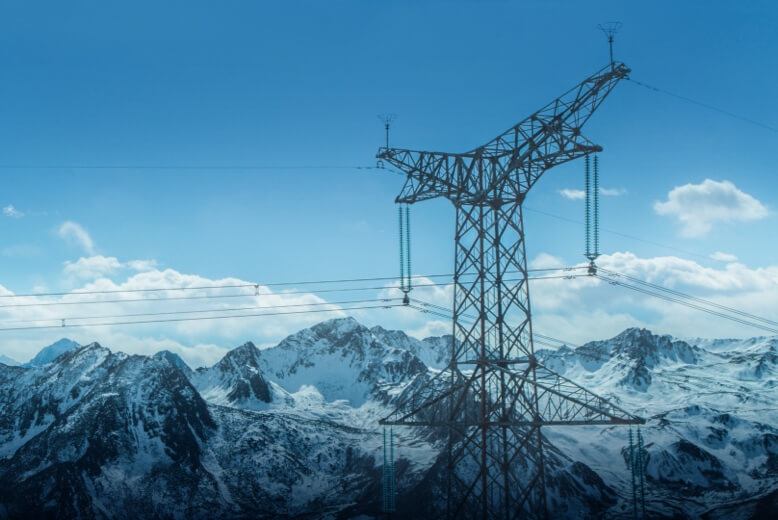
Powerline Inspection
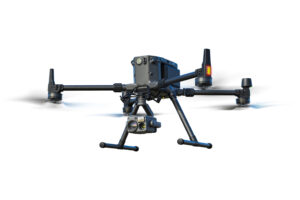
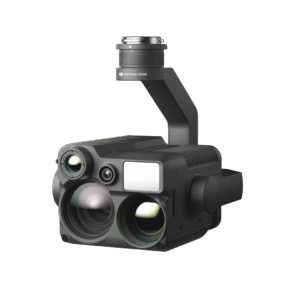
Transmission and Distribution inspections are crucial for preventing power losses and line failures. Automated drone flights can perform daily inspections of transmission lines, allowing for early identification of defects. With thermal cameras, these drones can detect abnormal high temperatures in equipment such as wire clamps and knife switches, enabling timely fault detection and the prevention of system failures.
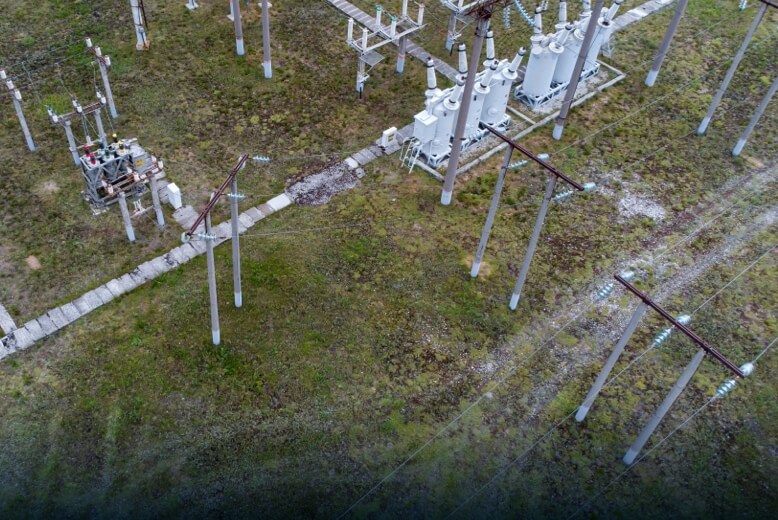
Substation Inspection
Substations and converter stations serve as essential nodes within the electrical grid, and their secure and reliable functioning depends on thorough and systematic inspections. Drones offer the agility and versatility to create precise digital replicas of these substations and conduct detailed examinations of electrical components using both visible and infrared imaging. This allows for the early detection of faults, thereby reinforcing the continuous and stable operation of the substations.
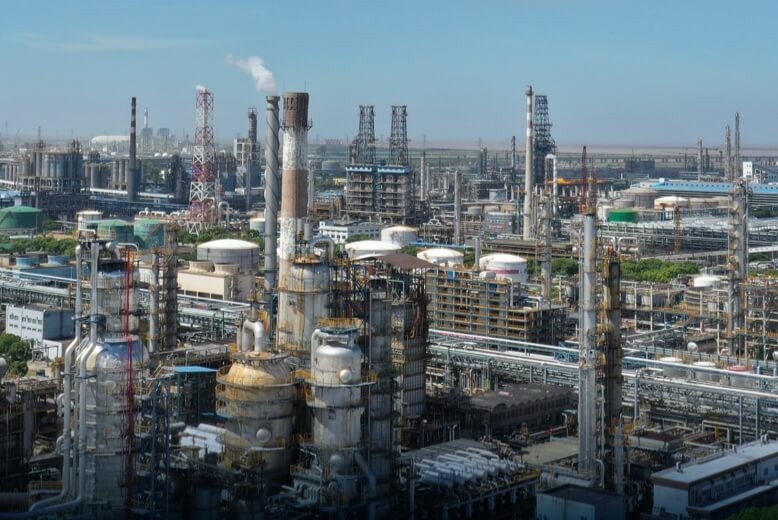
Facility Inspection
During the daily inspection of pumping units, numerous points require meticulous attention. However, many inspection points are difficult to access and observe. Drones equipped with visible light and thermal cameras can effectively address this challenge by capturing multi-angle videos and photos, which can detect issues such as overheating, oil leaks, loose belts, and bolts. Additionally, drones can help bridge the gap in digital management systems and reduce the manual workload by providing easily stored and trackable inspection data.
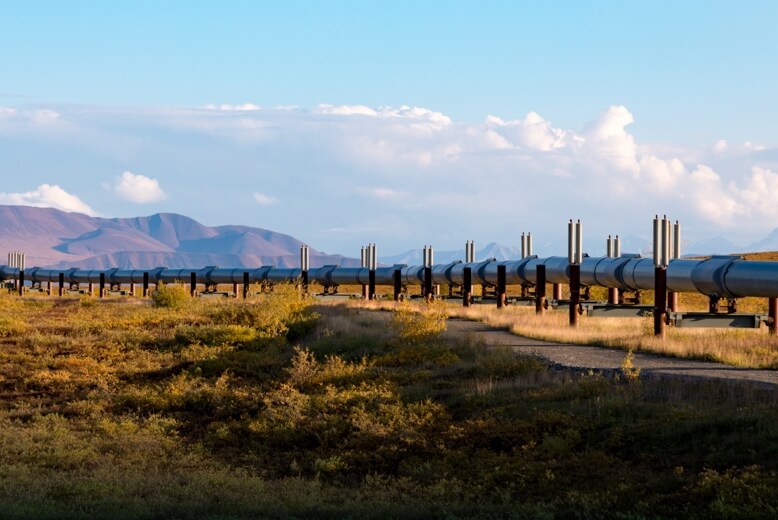
Pipeline Inspection
Oil fields feature numerous pipelines across diverse terrains, which are vulnerable to environmental factors. Remote locations complicate on-site inspections and pose safety risks. Utilizing drones equipped with visible light and thermal cameras for automated inspections can effectively mitigate these challenges.
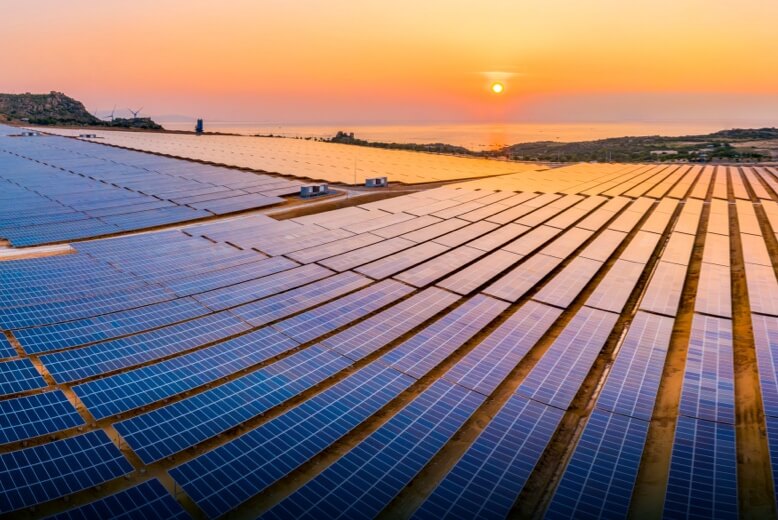
Photovoltaic Power Plant
Drones can precisely identify and locate defects in solar farms by utilizing high-definition visible light and thermal imaging. This facilitates early fault detection and preventive maintenance, thereby improving the quality and efficiency of photovoltaic power stations.
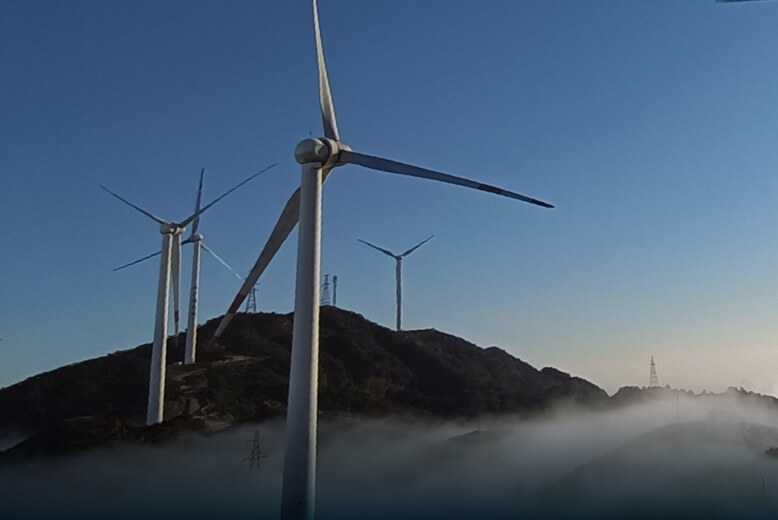
Inspection of Wind Turbines
Wind turbines represent a significant investment and require regular monitoring to maintain stable operation. Drones, with their agility and high-resolution cameras, are capable of conducting thorough inspections, identifying minor damages early on, and ensuring the stability of wind farms.
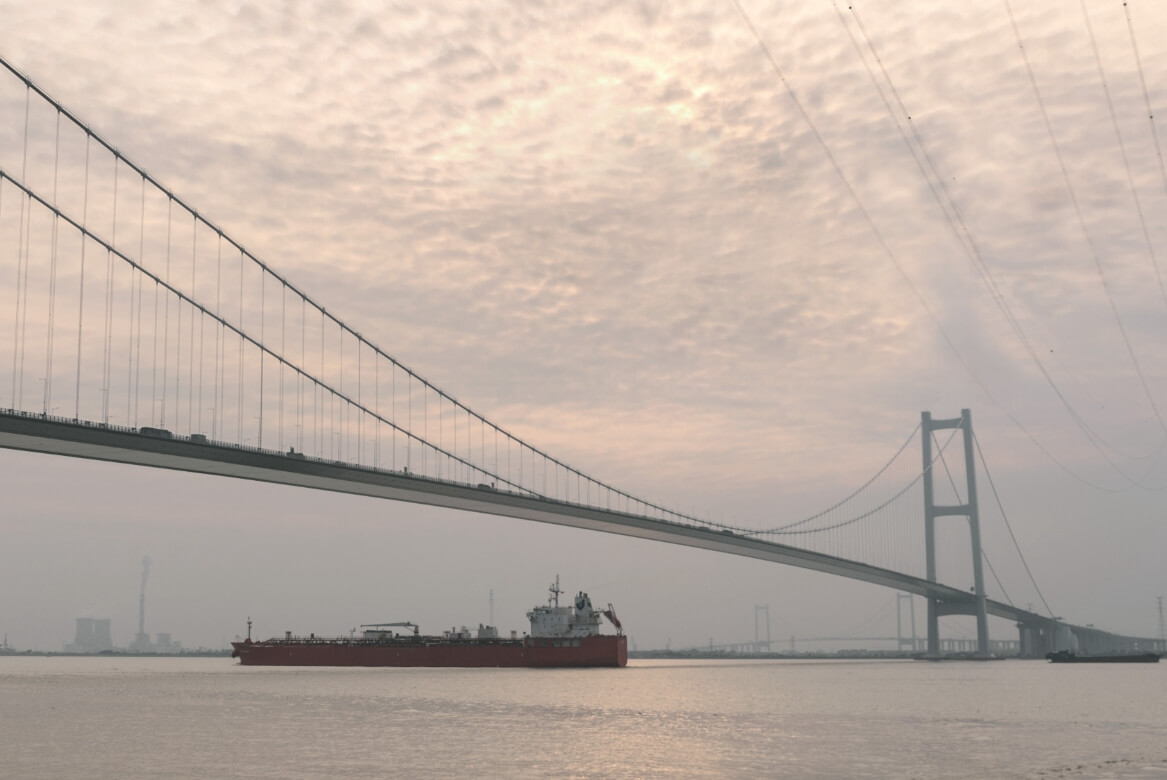
Bridge Inspection
Drones equipped with high-resolution cameras can meticulously inspect critical bridge components, including decks, piers, and cables. Utilizing LiDAR technology, they can swiftly generate BIM and digital twin models, facilitating faster and more cost-effective assessments. This technological approach aids builders, maintainers, and auditors in comprehending the bridge's condition and in planning maintenance in a proactive manner.

Roof Inspection
Drones can inspect roofs for cracks, leaks, and other types of damage, thereby ensuring the safety of employees by keeping them off hazardous rooftops.

